Port Moody
Port Moody's new tree rules March 2026
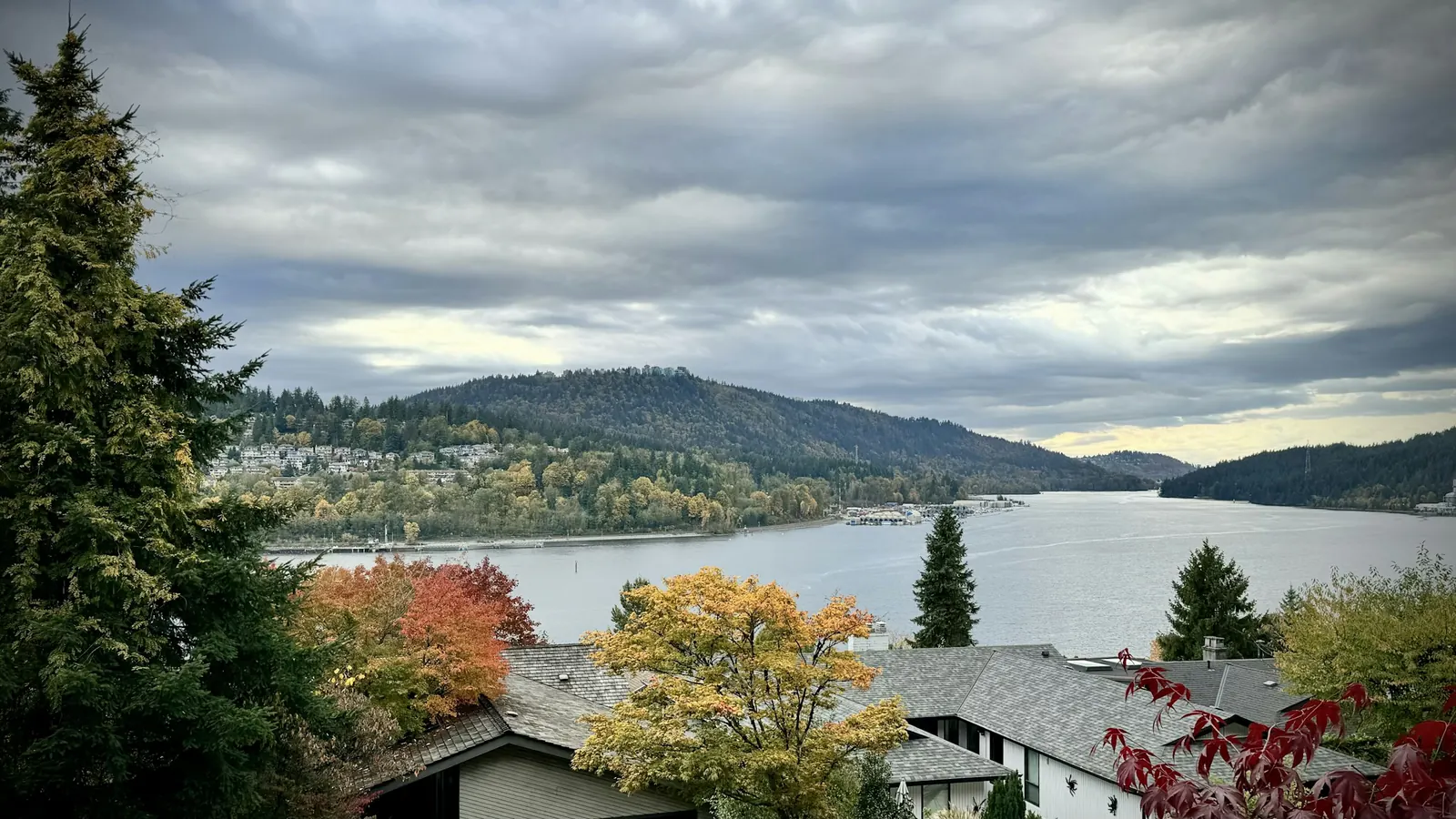
The bylaw changed. The ground runs steep down toward the inlet and the lots are tight. A lot of what's growing on them is protected. I'll tell you how the new rules apply to your tree.
ISA Certified Arborist PN-7893AT · TRAQ qualified · Intermunicipal business licence covering Port Moody and the Tri-Cities
Permits
The bylaw is new. Anything you read before March 2026 may be wrong
Port Moody adopted a new Tree Protection Bylaw in March 2026. If a neighbour, a contractor, or an old blog post told you the rules, check them again. They may be describing the old bylaw.
The general threshold is a permit for any tree 30 cm or more across at 1.4 m up the trunk. That drops a long way in some situations:
-
10 cm or more if the tree is in an Environmentally Sensitive Area or a Riparian Management Zone
10 cm
or more -
10 cm or more for a protected native species: arbutus, cascara, Pacific dogwood, Pacific yew, shore pine or western white pine
10 cm
or more
If your property touches a creek, sits in a sensitive area, or has one of those trees on it, the 10 cm limit applies. That catches trees well under the usual size.
Pruning done properly doesn't need a permit. Removals do. Between March 1 and August 31 the city won't issue one without a nesting survey from a Qualified Environmental Professional. I'm not one, so a removal that can wait is easier in autumn or winter.
City of Port Moody tree management permitsReviewed: August 13, 2026
Hazardous tree permit
The hazardous tree permit needs a specific kind of report
There are separate application types under the bylaw. The one that catches people out is the hazardous tree permit. It needs a report from an arborist who is both ISA Certified and TRAQ qualified. The report has to confirm a high or extreme risk rating, and that removal is the only workable option.
Not every arborist holds both. I do. I worked twelve years as a City of Coquitlam arborist, so I know what a city looks for in one. I write the report. The city decides the outcome.
There is a separate dead tree permit, for a tree with more than 50% of its branches dead. That one usually doesn't need an arborist report at all.
Services
What I can help with here
-
Tree risk assessment
Especially for a tree you're worried about on a slope, near a creek, or that might be a protected species.
Tree risk assessments -
Arborist reports
Written for the hazardous tree permit or any other application under the new bylaw.
Arborist reports and permits -
Climbing and rigging
For steep, tight lots where a tree can't just be cut down and dropped.
Technical climbing and rigging
FAQ
Questions
How do I know if my tree is a protected native species?
Arbutus, cascara, Pacific dogwood, Pacific yew, shore pine and western white pine are named specifically at the lower 10 cm threshold. If you're not sure what species you have, tell me roughly what it looks like and I'll confirm on site.
My tree is nowhere near a creek. Does the low threshold still apply?
Only if it's in a mapped Environmentally Sensitive Area, a Riparian Management Zone, or is one of the named protected species. Otherwise the general 30 cm threshold applies.
What does the hazardous tree permit actually require?
A report from an ISA Certified, TRAQ qualified arborist confirming a high or extreme risk rating and that removal is the only workable option. I hold both qualifications and write these reports.
My tree has lost most of its branches. Do I need a full report?
If more than 50% of its branches are dead, the dead tree permit applies, which usually doesn't need an arborist report. If you're not sure how much of the tree is affected, I can look.
Other service areas
Next step
Tell me what's happening on your property
Address, roughly what the tree is doing, and whether it's near a creek or a slope. I'll tell you which permit type you're likely looking at.
Get a free estimate